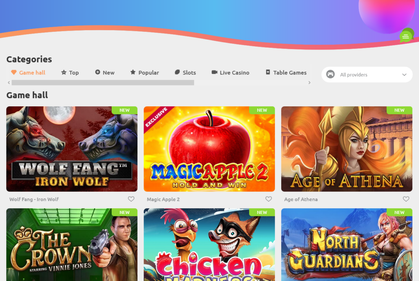
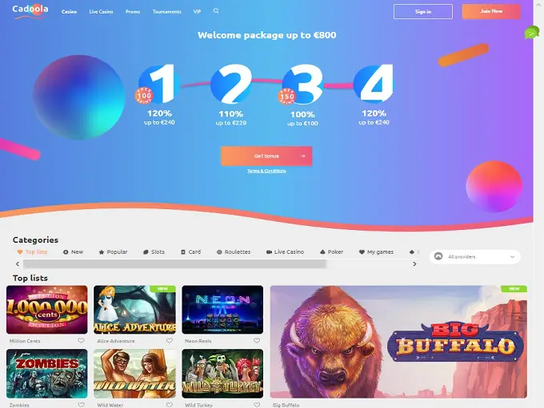
A large catalog is only convenient when you can narrow it down well. Otherwise, it becomes a source of dispersion. Many users open a title, stay for a few minutes, change categories, chase another graphic, and soon lose the thread of the session. The consequence isn't just mental. When the comparison becomes random, the balance control also weakens.
Imagine an evening where you have limited energy and only want linear entertainment. In that context, a game that is too rich in stimuli or has too fast a pace can tire you more than entertain you. On another evening, with more time and patience, the same choice might be fine. That's why there's no absolutely right format. There's the format that fits that moment.
A good criterion is to ask yourself beforehand how much attention you want to spend. Do you want a simple, almost passive session? Or do you prefer something more active, with more frequent decisions and a less relaxed pace? Many adults improve significantly when they start with this question, instead of being guided by the graphics or the most eye-catching title.
Aspect to Check | Useful Decision | Why It Matters |
Session Duration | Define it before opening games | Reduces impulsive changes |
Initial Amount | Tie it to a single gaming moment | Avoids repeated recharges |
Attention Level | Choose a coherent format | Makes the evening more readable |
Stop Rule | Set in advance | Helps to close without negotiation |
Number of titles to try | Keep it low at the beginning | Improves real comparison |
A table like this doesn't promise special results. It does something more useful: it transforms a good intention into a series of concrete actions. Watch less, choose better, change less often. On a rich platform, these three things make a big difference.
How to Compare Titles More Methodically
The healthiest comparison is one that gives a game time to truly show itself. Imagine a user who opens four titles in ten minutes. They think they are comparing, but in reality, they are just reacting to stimuli. Very often, it's worth choosing a category, starting with a low amount, and letting the game's rhythm become understandable. Only then can you decide if the format is suitable for the evening.
When It's Worth Stopping Sooner Than Expected
Stopping early doesn't mean you made the wrong choice. Sometimes it's simply a sign that you're reading the session well. Imagine realizing after a few minutes that the pace is too fast or that the attention it requires is higher than expected. The most disciplined adults don't force continuation just because they've already started. They slow down, change approach, or quit.
Why Changing Too Often Costs More Than It Seems
Every title change restarts the mental process: understanding the atmosphere, reading the rhythm, adapting your behavior. Imagine an evening where you constantly switch from one format to another. The balance keeps moving, but your ability to read it worsens. Usually, the most orderly sessions are those with fewer jumps. You don't need ten tries to understand if the platform is for you. Often, a few, better-chosen ones are enough.